Introduction
Buyers searching for power tool payment terms are usually close to a sourcing, market-entry or shipment decision. The useful question is not whether a supplier can repeat a familiar sales phrase. It is whether payment milestones, commercial documents and release authority are proportionate to the relationship, customization and evidence available at each stage. This guide gives importers, distributors and private-label teams a practical way to define that decision and keep the evidence connected to the exact SKU. A deposit funds materials, capacity and customization, while the balance controls shipment release. The percentages matter, but the definition of “order confirmed,” “production complete” and “inspection passed” matters more. Payment method and timing should reflect counterparty confidence, recoverability, product customization, tooling, lead time, inspection route, document control and the buyer’s financing needs. Letters of credit, documentary collections, open account and cash in advance allocate risks differently. Banks process documents; they do not verify product quality unless the commercial arrangement creates appropriate independent controls. ToolViron manufactures drills, angle grinders, electric chainsaws and electric planers in Shenzhen. The methods below describe buyer-side controls and ordinary factory coordination. They do not claim that every model has completed every test, certification or market route. Confirm the selected product, destination, current documents and qualified professional responsibilities before ordering.
Direct answer: For power tool payment terms, first define the exact product, market and decision owner. Then verify the four decision factors, follow the six-step workflow, keep model-specific evidence and release production or shipment only when the commercial brief, product configuration and documents agree.
Article SEO brief
- SEO Title: Power Tool OEM Payment Terms for Importers | ToolViron
- Meta Description: Compare deposits, balance milestones, letters of credit and documentary controls for OEM power-tool orders without separating payment from product evidence.
- URL Slug: /blog/power-tool-oem-payment-terms
- H1: Power Tool OEM Payment Terms: Balance Cash Flow and Order Risk
- Target keywords: power tool payment terms, 30 70 TT payment terms manufacturing, power tool OEM pricing, power tool MOQ negotiation, power tool private label contract, power tool OEM agreement
- Search intent: Commercial evaluation by buyers negotiating a first or repeat private-label power-tool order.
- Why this topic is suitable: Payment structure controls leverage and cash flow, yet buyers often negotiate percentages without defining the evidence and event behind each milestone.
Define the buying decision before collecting documents
The boundary for this guide is whether payment milestones, commercial documents and release authority are proportionate to the relationship, customization and evidence available at each stage. This is narrower and more useful than asking whether a supplier, product or document is “good.” A defined boundary tells purchasing which questions belong in the quotation, quality which evidence belongs in the sample or inspection record, logistics which information must be ready for booking, and management who can accept remaining risk. Write the destination market, customer group, selling channel, intended application, expected order quantity and timing at the top of the project brief. Identify the exact tool, battery or cord system, charger or plug, accessories, packaging, labels, manual and after-sales promise. Mark every field as approved, selectable or open. An open field needs an owner and a date; silence is not approval. Keep general supplier information separate from model-level evidence. A factory profile, management-system certificate or catalogue may support initial screening, but it does not prove the construction, performance, compliance status or shipment condition of the SKU being purchased. The evidence chain should narrow as the order moves from supplier screening to sample approval, pilot production and finished-goods release.
Four decision factors to control
| Decision factor | Buyer-control question |
|---|---|
| Counterparty and relationship risk | Verify the beneficiary and contract entity, then adjust terms for a first order, repeat history, dispute record and practical recovery options. |
| Customization and material commitment | Separate recoverable standard goods from custom colour, printing, tooling, batteries, packaging and components committed specifically to the buyer. |
| Milestone evidence | Define which approved documents, samples, production records, inspection outcomes and shipping documents support each payment event. |
| Dispute and release mechanics | State who can hold, rework, reinspect or release the goods and how rejected work, delay or cancellation affects payment. |
Use this table as a focused risk register. Add a status, owner, due date and evidence link for each factor. If a point is outside the competence of the purchasing or inspection team, assign it to the relevant engineer, customs broker, dangerous-goods specialist, laboratory, lawyer or destination-market adviser. A responsible hold decision is better than converting an unknown into a sales claim.
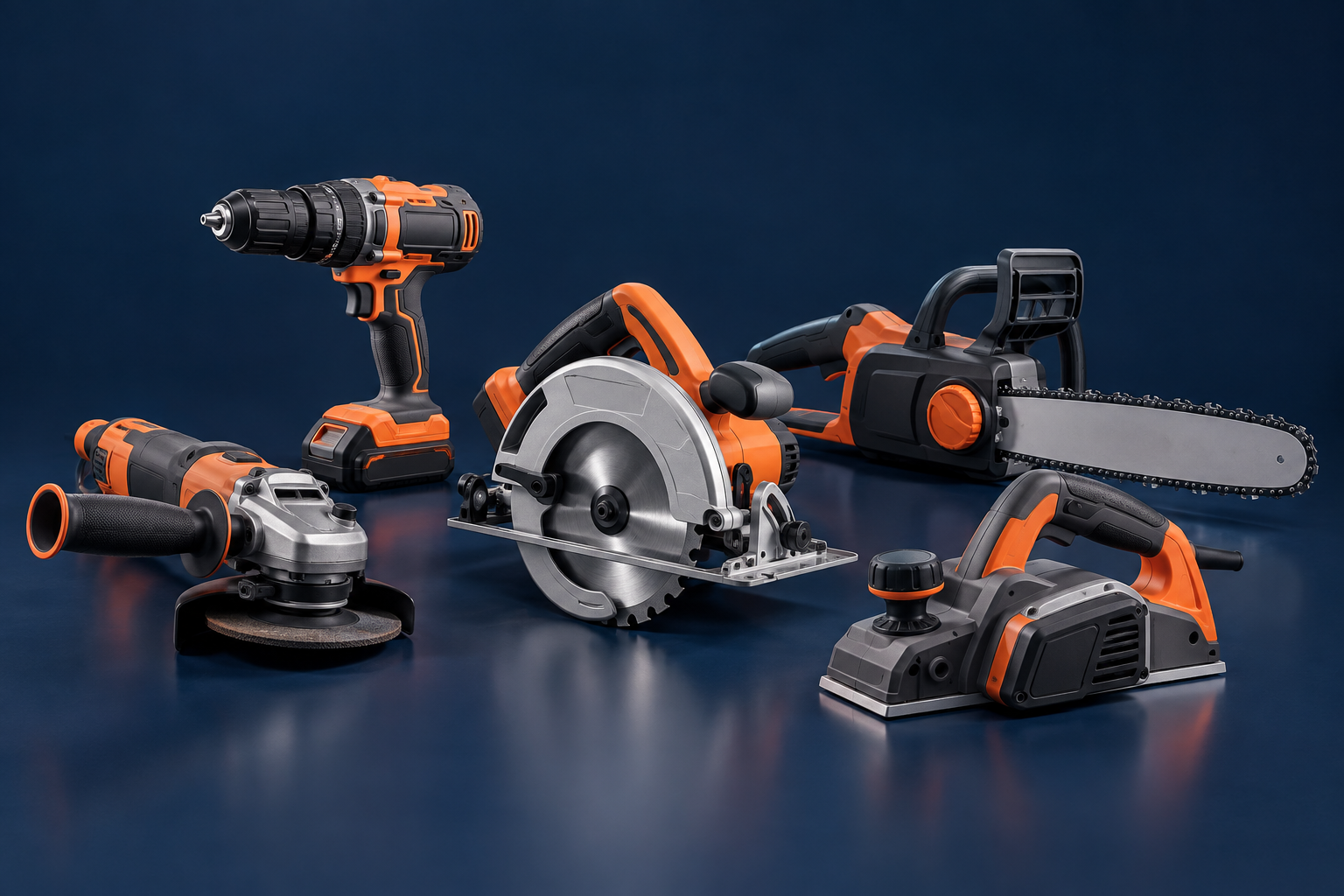 Power Tool OEM Payment Terms: Balance Cash Flow and Order Risk: connect the customer requirement, product configuration and supporting evidence before approval.
How to manage the decision step by step
The workflow below is designed for a B2B order rather than a consumer purchase. Each step creates an output that the next step can use. Keep the original finding when a correction is made; do not overwrite the history, because the difference between the first result and the accepted result is valuable evidence for production and future orders.
Step 1: Normalize the full quotation
Confirm product, pack, quantity, tooling, Incoterm, taxes or fees, sample credits and validity before discussing payment percentages. Record the model, revision, date, owner, source and outcome. Relate the work to 30 70 TT payment terms manufacturing only where product facts support it. If an input changes, assess prior approvals rather than assuming a similar-looking configuration remains covered.
Step 2: Verify the payment beneficiary
Match the bank account with the contracted legal entity and independently confirm any requested account change. Record the model, revision, date, owner, source and outcome. Relate the work to power tool OEM pricing only where product facts support it. If an input changes, assess prior approvals rather than assuming a similar-looking configuration remains covered.
Step 3: Define deposit deliverables
List the materials, artwork, tooling, schedule and product configuration released when the deposit is received. Record the model, revision, date, owner, source and outcome. Relate the work to power tool MOQ negotiation only where product facts support it. If an input changes, assess prior approvals rather than assuming a similar-looking configuration remains covered.
Step 4: Define balance conditions
State what finished status, inspection result, corrective action, documents and shipment readiness are required before balance or release. Record the model, revision, date, owner, source and outcome. Relate the work to power tool private label contract only where product facts support it. If an input changes, assess prior approvals rather than assuming a similar-looking configuration remains covered.
Step 5: Select the payment instrument
Compare T/T, letter of credit or other methods with the transaction size, bank capability, document complexity, cost and relationship. Record the model, revision, date, owner, source and outcome. Relate the work to power tool OEM agreement only where product facts support it. If an input changes, assess prior approvals rather than assuming a similar-looking configuration remains covered.
Step 6: Record exceptions and repeat-order evolution
Keep deviations written and review whether stronger performance supports different terms on future orders. Record the model, revision, date, owner, source and outcome. Relate the work to power tool payment terms only where product facts support it. If an input changes, assess prior approvals rather than assuming a similar-looking configuration remains covered.
Mid-article sourcing CTA — Send Your Requirements: Share your destination market, product application, expected quantity, target configuration and the decision your sample or quotation must answer. ToolViron can use that information to prepare a focused sourcing discussion. Send your requirements.
Evidence the buyer should retain
Evidence should be understandable to a colleague who did not attend the original meeting. Give files controlled names, model references, revision or date, origin and approval status. Screenshots and chat messages can support the history, but final decisions should move into the product specification, artwork record, purchase order, quality agreement or shipment file.
- Signed quotation or contract with exact beneficiary: Retain a controlled record linked to the exact SKU, supplier or shipment.
- Approved specification and artwork release: Retain a controlled record linked to the exact SKU, supplier or shipment.
- Milestone and inspection acceptance language: Retain a controlled record linked to the exact SKU, supplier or shipment.
- Controlled invoice and shipment-document set: Retain a controlled record linked to the exact SKU, supplier or shipment. Retain superseded information according to the buyer’s record policy. A previous label, sample or report can explain a later complaint or mixed shipment. Deleting it removes the ability to distinguish a production escape from an obsolete reference, an unauthorized change or a customer-use issue.
Factory testing, shipment inspection and release control
Factory testing is useful only when the scope is explicit. Ask which characteristics are checked on incoming parts, during assembly, on every finished unit and on sampled units. Record the method, equipment, acceptance rule and reaction to failure. A phrase such as “100% tested” is incomplete until the buyer knows which checks it covers and which design, compliance or durability questions remain outside that station.
Translate sample decisions into ordinary production controls. The bill of materials should identify important components and regional variants. Work instructions and reference samples should carry a current revision. Where a result depends on an accessory, battery, charger, material or setup, control the complete system rather than the bare tool alone.
Pre-shipment inspection should compare the completed lot with the current purchase order, approved configuration, artwork and packing references. Sampling supports a release decision but does not prove that every unit was inspected. Reports should identify the lot, sampled cartons, product revision, limitations, findings, photographs and the person authorized to accept, rework, reinspect or reject.
Payment and contract choices require financial and legal advice appropriate to the buyer, seller, banks and jurisdictions. This guide is operational education only.
 Power Tool OEM Payment Terms: Balance Cash Flow and Order Risk: verify factory and shipment evidence against the released product and decision criteria.
Common failure modes and how buyers contain them
Negotiating only the deposit percentage
A lower deposit can still be risky if the balance is due before meaningful product evidence or document review exists.
Paying a changed bank account from email alone
Account-change fraud requires independent verification through a previously trusted contact and documented approval.
Using vague “before shipment” language
Define inspection, correction, reinspection, document availability and release authority so the event is measurable.
Assuming a letter of credit checks quality
Banks examine stipulated documents, so quality and inspection controls must be designed into the commercial agreement.
Contain failures by preserving as-found evidence, identifying affected models or lots, assigning an owner and defining an accept, hold or reject decision. Record any rework and reinspection without overwriting the original finding.
Connect approval with after-sales evidence
Prepare warranty and support intake around the same characteristics used during approval. Capture model and lot, market, battery or accessory where relevant, application, operating condition, time in service, customer symptom and photographs. Preserve returned units in as-received condition until competent triage is complete. Separate symptoms from confirmed causes. Trend confirmed causes by model, lot, component revision and market. A replacement may close one customer case, but corrective action should still address affected stock, production containment, document changes and the evidence required before release resumes.
Authoritative sources and related ToolViron guidance
International Trade Administration: Methods of Payment and International Trade Administration: Trade Finance Guide provide authoritative context for this topic. They do not certify a ToolViron model, determine the complete requirement set for a destination or replace professional review of the actual transaction. Check publication dates, consolidated versions and current carrier or authority instructions before acting. Continue with Supplier due diligence checklist and Request a power-tool quotation. These internal links connect this decision with the relevant sourcing, factory, product or market-access cluster instead of leaving the article as an isolated keyword page.
AI photography plan
Image 1 — Buyer decision evidence
- Purpose: Show the product, documents and buying decision discussed in the first half of the guide.
- Insertion position: After the decision-factor table.
- English caption: Power Tool OEM Payment Terms: Balance Cash Flow and Order Risk: connect the buyer requirement with the exact product and evidence.
- ALT text: Asian export manager and international buyer reviewing an OEM power-tool quotation, payment milestones and approved sample in a real meeting room.
- AI image prompt: Photorealistic B2B industrial editorial photograph, candid documentary composition, natural factory or office light, ordinary working surfaces and credible scale. Asian export manager and international buyer reviewing an OEM power-tool quotation, payment milestones and approved sample in a real meeting room. No visible brand logos, text, watermark, CGI, artificial glow or exaggerated futuristic cleanliness. If people appear, all employees are Asian and wear task-appropriate PPE.
Image 2 — Factory or shipment verification
- Purpose: Document a realistic factory, inspection, logistics or record-verification activity.
- Insertion position: After the factory and shipment-control section.
- English caption: Power Tool OEM Payment Terms: Balance Cash Flow and Order Risk: verify the finished configuration against controlled records.
- ALT text: Asian shipment inspector and finance coordinator comparing inspection status with commercial invoice and packing documents.
- AI image prompt: Candid photorealistic documentary photograph inside a real Shenzhen power-tool factory or warehouse with natural mixed light, realistic wear, tools and paperwork. Asian shipment inspector and finance coordinator comparing inspection status with commercial invoice and packing documents. All employees Asian and wearing correct PPE where required. No logos, readable confidential text, watermark, CGI, staged futuristic effects or artificial glow.
Enquiry popup and CTA plan
- Trigger: Show once after 40% scroll or 30 seconds of engaged reading. Use exit intent on desktop only and suppress the popup after dismissal for the rest of the session.
- Popup title: Need a Production-Ready Power Tool Configuration?
- Popup description: Send your market, application, quantity and required configuration. ToolViron will use the details to structure a relevant product, evidence and quotation discussion.
- Required fields: Name, Email and Phone. Recommended additional fields: Company, Country/Market, Product, Estimated Quantity and Requirements.
- Submit button: Send Your Requirements The popup should not interrupt the direct answer, cover safety or compliance information, or reappear after dismissal. Consent and privacy wording should be reviewed for the markets where leads are collected.
Frequently asked questions
Are 30% deposit and 70% balance standard for OEM orders?
The structure is common, but appropriateness depends on customization, relationship, evidence milestones, bargaining position and transaction risk. Confirm the exact model, destination and current commercial or regulatory context before applying this general answer to an order.
Should the balance be paid before or after inspection?
Define the agreed event in writing. Many buyers link balance approval to an acceptable finished-goods inspection and required documents, subject to the contract. Confirm the exact model, destination and current commercial or regulatory context before applying this general answer to an order.
Can MOQ and payment terms be negotiated together?
Yes, because material commitments, setup cost and customization influence both. Compare the complete commercial package rather than one number. Confirm the exact model, destination and current commercial or regulatory context before applying this general answer to an order.
Does a letter of credit remove supplier risk?
No. It changes payment risk and document mechanics but does not replace due diligence, specifications, quality control or product compliance work. Confirm the exact model, destination and current commercial or regulatory context before applying this general answer to an order.
Conclusion
Power Tool OEM Payment Terms: Balance Cash Flow and Order Risk is best handled as a documented buying decision. Determine whether payment milestones, commercial documents and release authority are proportionate to the relationship, customization and evidence available at each stage, control the four decision factors, follow the six-step workflow and keep every approval tied to the exact product, supplier, market and shipment. The strongest B2B evidence is specific, traceable and honest about limitations. It connects the customer requirement with production-intent samples, ordinary factory controls, shipment inspection and after-sales records. When customs, dangerous goods, engineering, legal or destination-market expertise is required, pause the commercial conclusion and obtain qualified input.
End-of-article CTA — Get a Quote: Share your destination market, product application, estimated order quantity, branding needs and inspection priorities. ToolViron will use the information to prepare the next sourcing discussion. Get a quote from ToolViron.
Images illustrate product and inspection topics; they are not documentary evidence of a specific ToolViron test or customer project. Confirm the exact model and market requirements before ordering.